2026 marks a turning point for the mattress industry. On one hand, a national standard for smart mattresses and updated environmental regulations have come into force, drawing a clear "hard line" for the market. On the other, AI technology and the science of healthy sleep are converging, accelerating the evolution of product design. Driven by both stricter standards and more demanding consumers, the mattress is transforming from an ordinary piece of furniture into a complete sleep system.
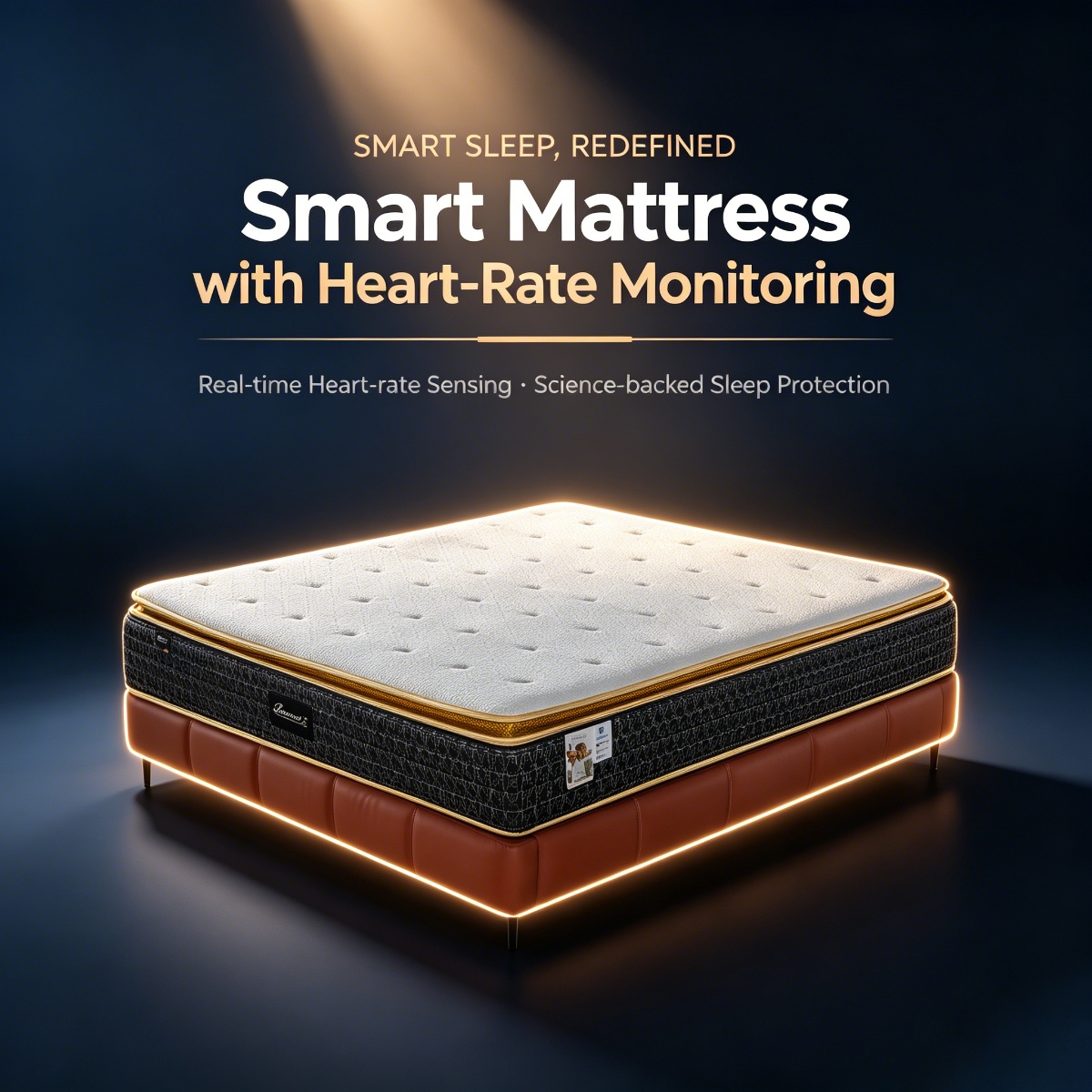
For years, the smart mattress market lacked unified rules. The label "smart" was widely overused — a motorized headrest was called smart, and so was a mattress with a remote control. Functional performance and safety varied dramatically, leaving consumers with no reliable way to tell genuine innovation from marketing spin.
That is set to change with the implementation of "Smart Mattress" (GB/T 46272—2025), which takes effect on March 1, 2026. The standard sets out systematic, unified requirements covering the intelligence, functionality, and safety of smart mattresses, providing a clear basis for product development, quality testing, and market access.
For consumers, this means there is now a measurable benchmark to rely on: checking whether a product complies with GB/T 46272—2025 becomes the first step in judging whether a mattress is genuinely smart — and genuinely safe.
Equally important to healthy sleep is the environmental safety of the materials themselves. The revised standard "Indoor Decorating and Refurbishing Materials — Limit of Formaldehyde Emission from Wood-Based Panels and Products" (GB 18580-2025) has been issued and will take effect on June 1, 2026.
Wood-based panels are widely used in mattress manufacturing, particularly in frames and base materials. The tightening of formaldehyde emission limits reflects China's continued push toward stricter control of indoor air quality and home health. For consumers, it means a higher environmental threshold for products entering the market — and a safer living space at home.
While upgraded standards accelerate the survival of the fittest, technological progress is redefining what a "good mattress" means. In 2026, several trends have become increasingly clear:
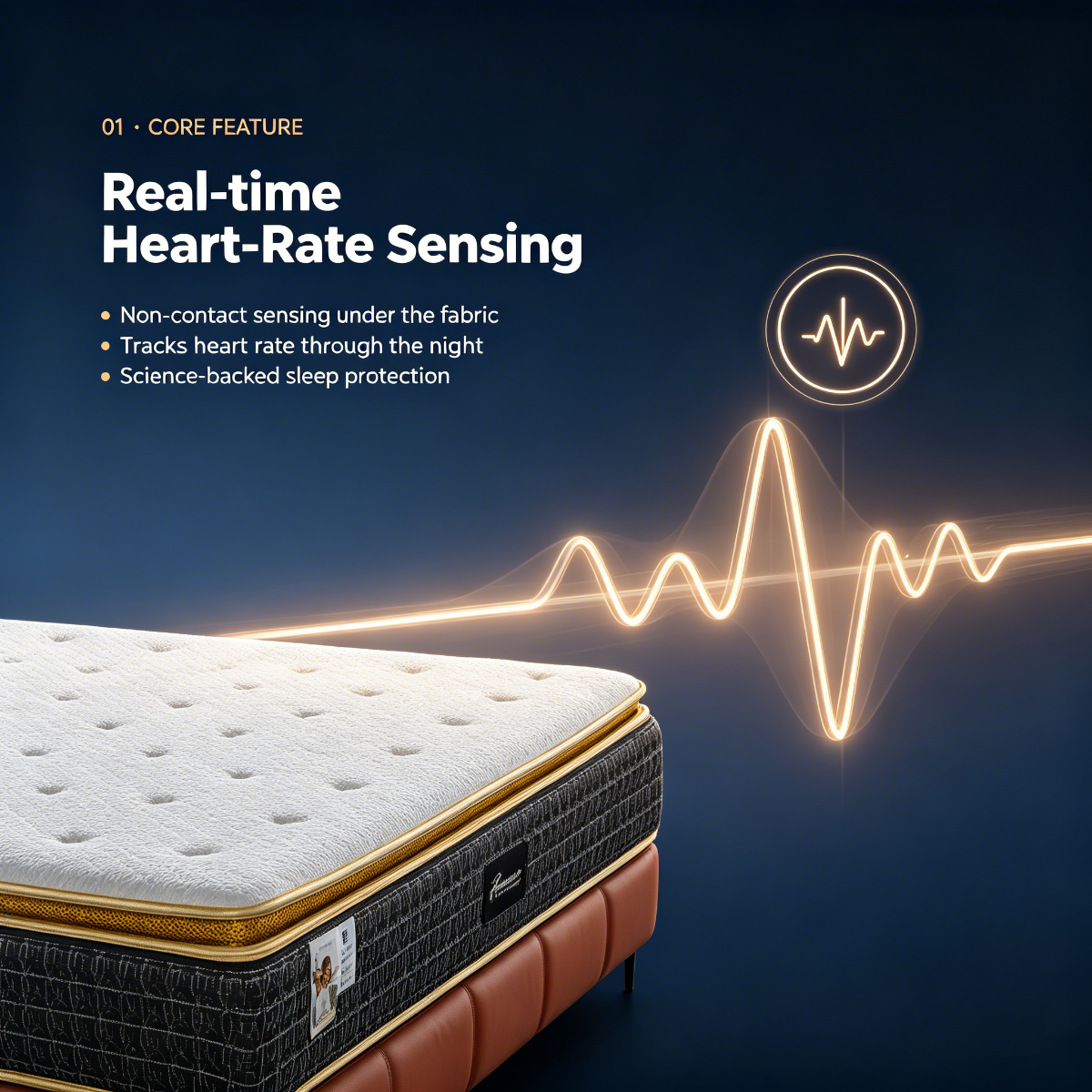
AI mattresses move to on-device computing. In September 2026, RUCAS unveiled its new AI Smart Mattress, built around on-device computing, sleep monitoring, and dynamic support adjustment. By processing data and making decisions locally on the device, the mattress senses changes in sleeping posture, breathing, and heart rate in real time and automatically adjusts support — while significantly reducing reliance on the cloud. Sleep data stays within the home and is better protected, making data privacy a new source of competitive strength for smart mattresses.
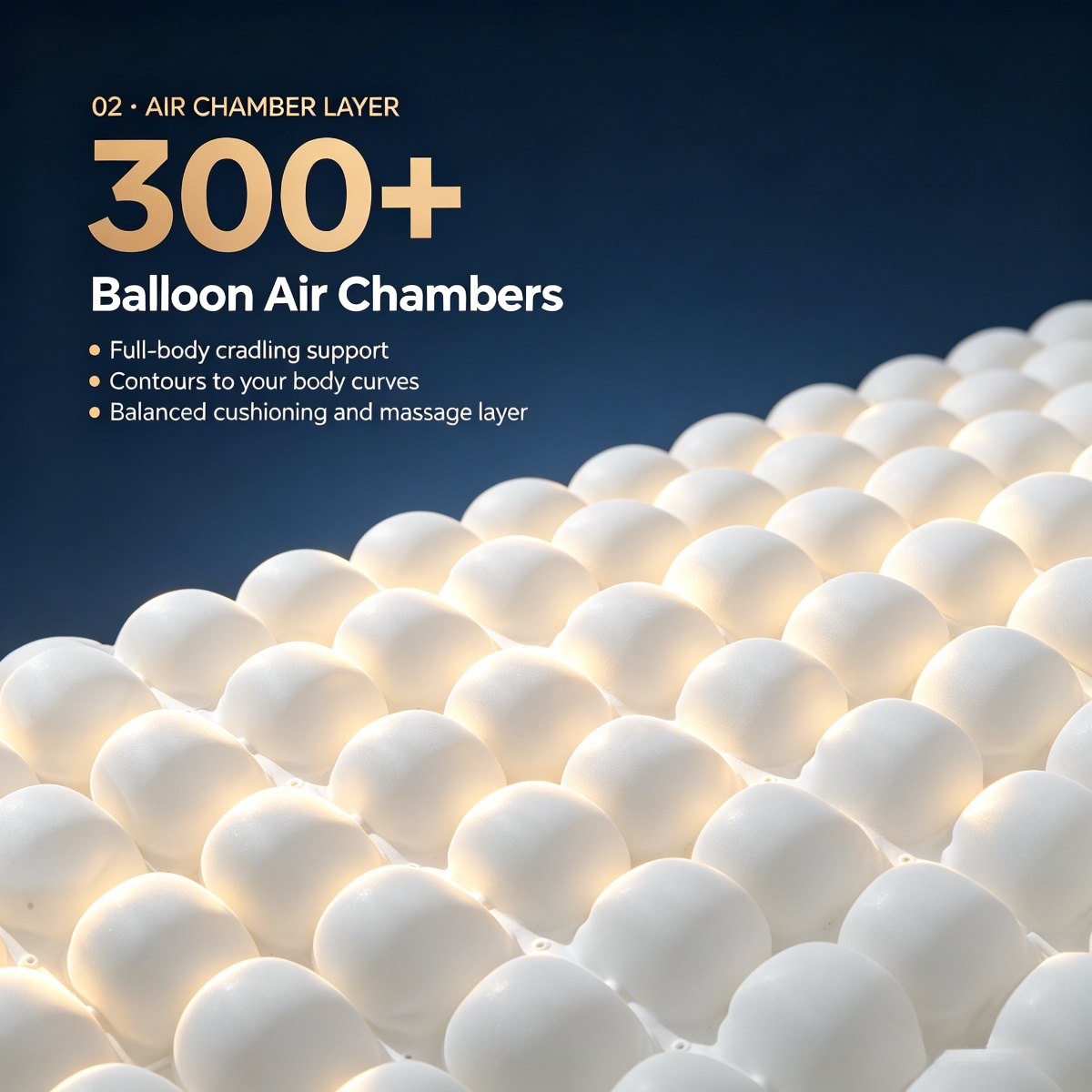
Sustainability and washability become essentials. Industry testing shows that glue-free construction, modular replaceable cores, and highly breathable designs are shifting from nice-to-have features to must-haves. Children's mattresses, in particular, face higher expectations — material safety and spinal support have become the twin priorities for parents.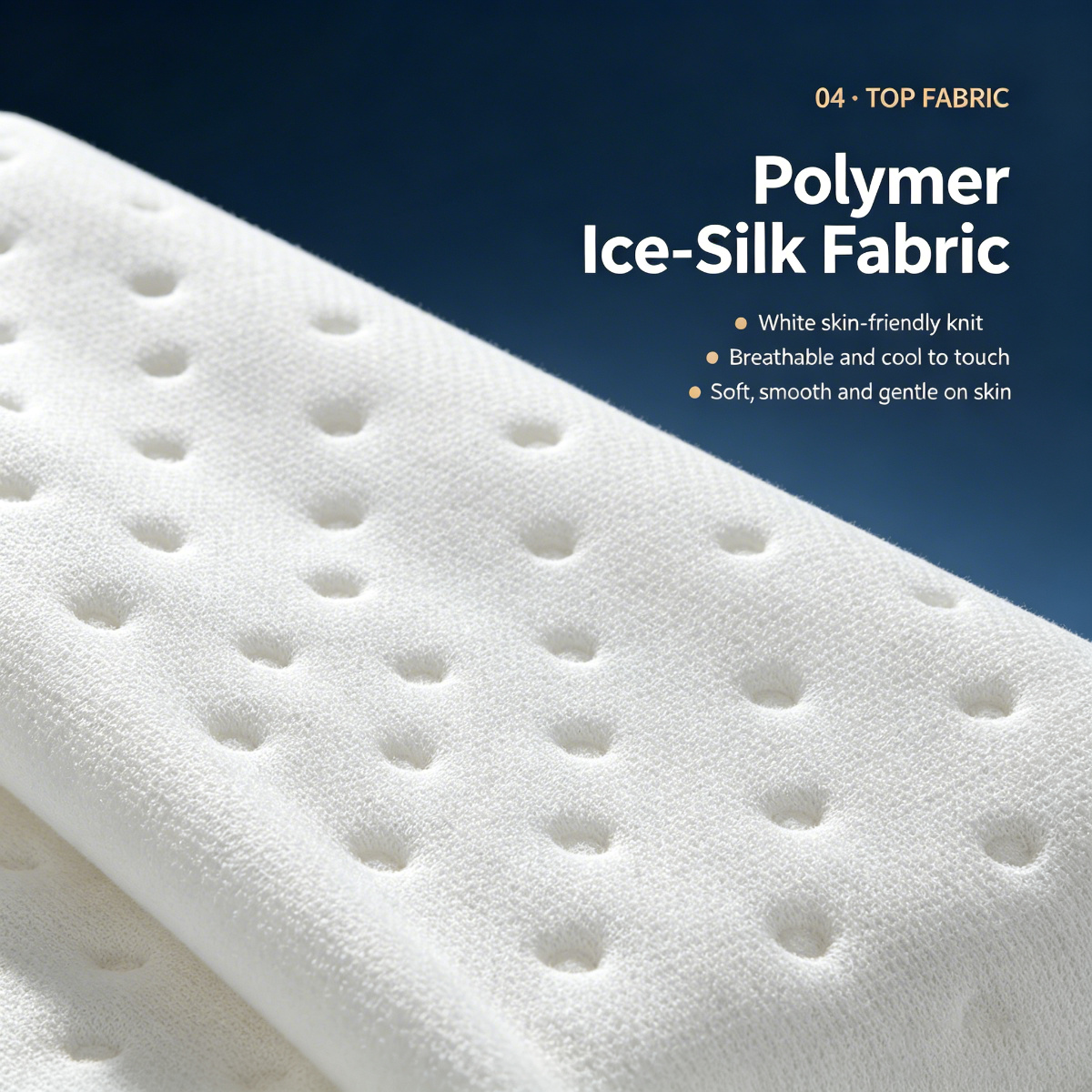
Quiet performance and compact-home compatibility improve significantly. Individually pocketed springs effectively reduce disturbance from nighttime movement, while roll-packed delivery allows a full-size mattress to pass easily through narrow stairwells and elevators, making delivery and installation far less of a hassle.
Even as the industry moves in the right direction, certain questionable practices still warrant caution. Some "health mattresses" on the market are marketed around concepts such as magnetic therapy, electric potential heat therapy, and jade, claiming to "treat cancer, hypertension, or infertility." Such claims are largely exaggerated — and in some cases outright fraudulent — with related cases already investigated and penalized by regulators.
RUCAS reminds consumers that the core value of a mattress lies in support and comfort; it does not have any disease-treatment function. Claims such as "cures all illnesses" or "magnetic therapy treats disease" should never be trusted.
Three practical tips for buyers:
From "having standards to follow" to "having genuinely good products to choose from," the mattress industry in 2026 is moving into a stage that is more regulated, healthier, and smarter. RUCAS will continue to treat standards as its benchmark and technology as its driver, bringing AI intelligence, eco-friendly materials, and ergonomic support into every mattress it makes — so that every time you lie down, your body gets the rest it truly deserves.

