Internationally, a 1–10 numerical scale is widely adopted to quantify mattress firmness, with higher values indicating greater firmness. Significant differences exist across firmness levels in terms of tactile feel, spinal biomechanical response, and pressure redistribution capabilities (see Table 1).
Table 1: Comparison of Biomechanical Characteristics of Mattresses by Firmness Level
|
Firmness Level |
Core Material Composition |
Tactile Feel |
Spinal Alignment & Support Mechanism |
Body Pressure Distribution |
Ease of Repositioning |
|
Soft (1–3) |
Memory foam, Natural latex |
Strong contouring, pronounced sink-in feel |
Prone to conforming to body shape; prolonged use may lead to abnormal spinal curvature |
Pressure concentrated at contact points; relieves joint pressure but lacks support |
High (sink-in effect increases resistance) |
|
Medium (4–6) |
Individually wrapped coils + composite filling layer |
Moderate sink-in with balanced support and conformability |
Maintains natural spinal S-curve with precise support |
Evenly distributed; effectively eliminates localized pressure points |
Low (facilitates easy movement) |
|
Firm (7–10) |
High-density sponge, jute palm, 3D fiber |
Strong support, minimal sink-in |
Levels 7–8 provide effective support; Levels 9–10 lack conformability, often causing lumbar suspension |
Pressure concentrated on bony prominences (sacrum, scapulae), risking pressure points |
Medium (lower surface friction) |
Note: Levels 7–8 represent the medically recommended "medium-firm" range. Levels 9–10 lack necessary micro-elasticity, which can lead to lumbar suspension, and are only advised for specific pathological needs. For the general population, Levels 7–8 are preferable.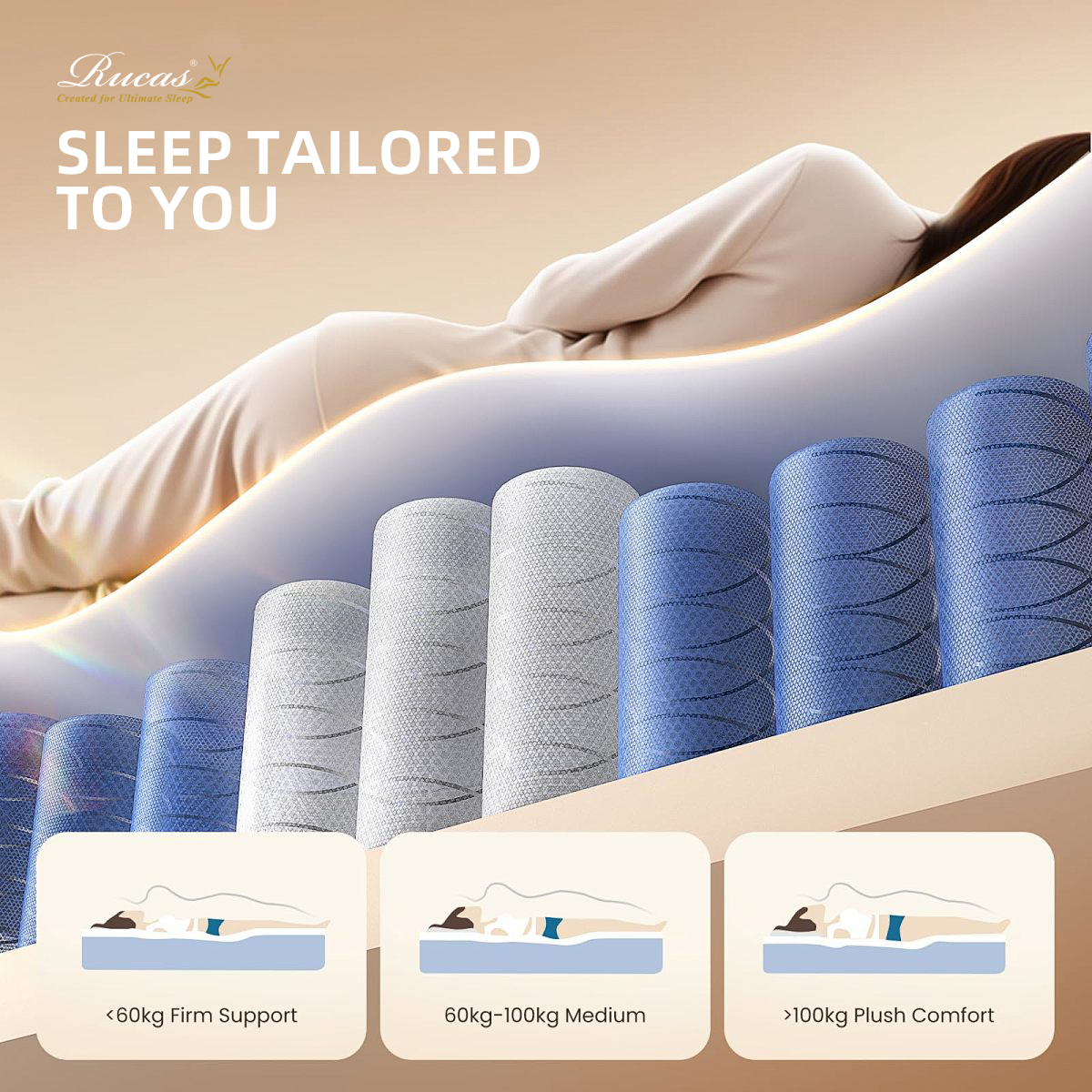
2.1 High-Support Mattresses (7–8)
Physiological Effects: This firmness range effectively limits excessive spinal flexion, aligning with the German IGR (Campaign for Healthier Backs) ergonomic certification standards. It offers physical therapeutic benefits for patients with lumbar disc herniation and ankylosing spondylitis. Additionally, high support reduces abdominal compression, which can alleviate gastroesophageal reflux symptoms. Material-wise, firm mattresses with coir or 3D fiber cores typically exhibit air permeability ≥1200 mm/s (based on P.U.Lab data), significantly outperforming traditional foam materials and mitigating heat and moisture buildup in the sleep microenvironment.
Target Demographics:
Material Caution: Traditional pure coir mattresses should be avoided due to excessive firmness and susceptibility to moisture and mite infestation. Opt for thermally bonded coir or 3D fiber materials certified under OEKO-TEX® Standard 100 (Baby Class) to ensure chemical safety and avoid formaldehyde emissions from adhesive bonding.
2.2 Balanced Mattresses (4–6, Primary Recommendation)
Physiological Effects: Medium-firm mattresses achieve an optimal biomechanical balance between "support" and "conformability." For adults weighing 50–80 kg, this firmness maintains sagittal spinal balance, significantly reducing morning back pain caused by inadequate support. Structurally, individually pocketed spring systems offer excellent motion isolation (measured motion noise ≤23 dB, reducing partner disturbance by 80%). When combined with solvent-free eco-friendly manufacturing and GB 31701-2015 Class A infant-grade fabrics, they ensure durability, environmental safety, and skin-friendliness.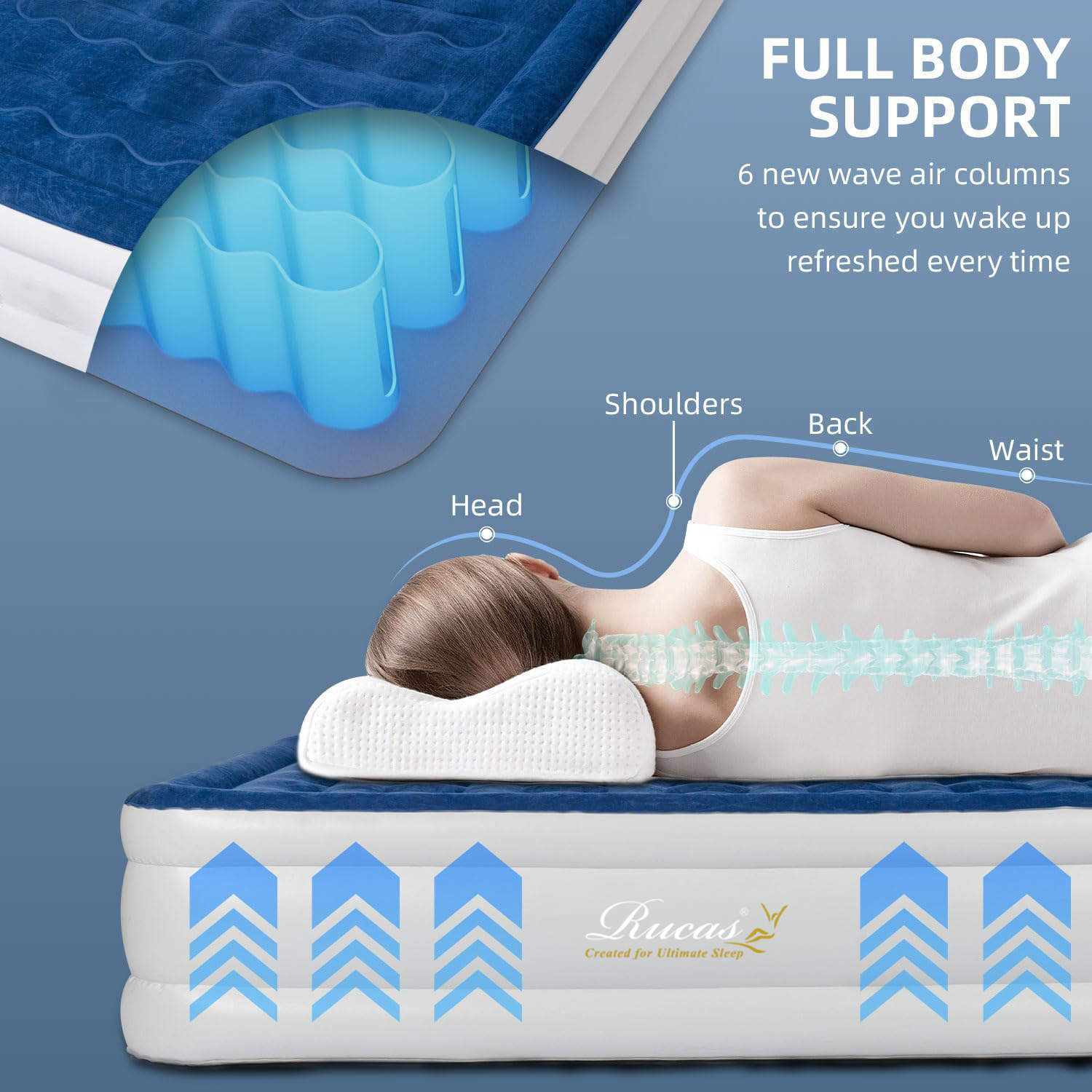
Target Demographics:
Fit Test Standard: When side sleeping, the spine should remain horizontally aligned with hip sink-in depth <3 cm. When back sleeping, one to two fingers should fit snugly between the waist and mattress without noticeable gaps.
2.3 Pressure-Relieving Mattresses (1–3)
Physiological Effects: These mattresses utilize highly viscoelastic materials (e.g., memory foam) to achieve full-body contouring, minimizing shear forces between skin and fabric and alleviating pressure concentration on bony prominences.
Target Demographics:
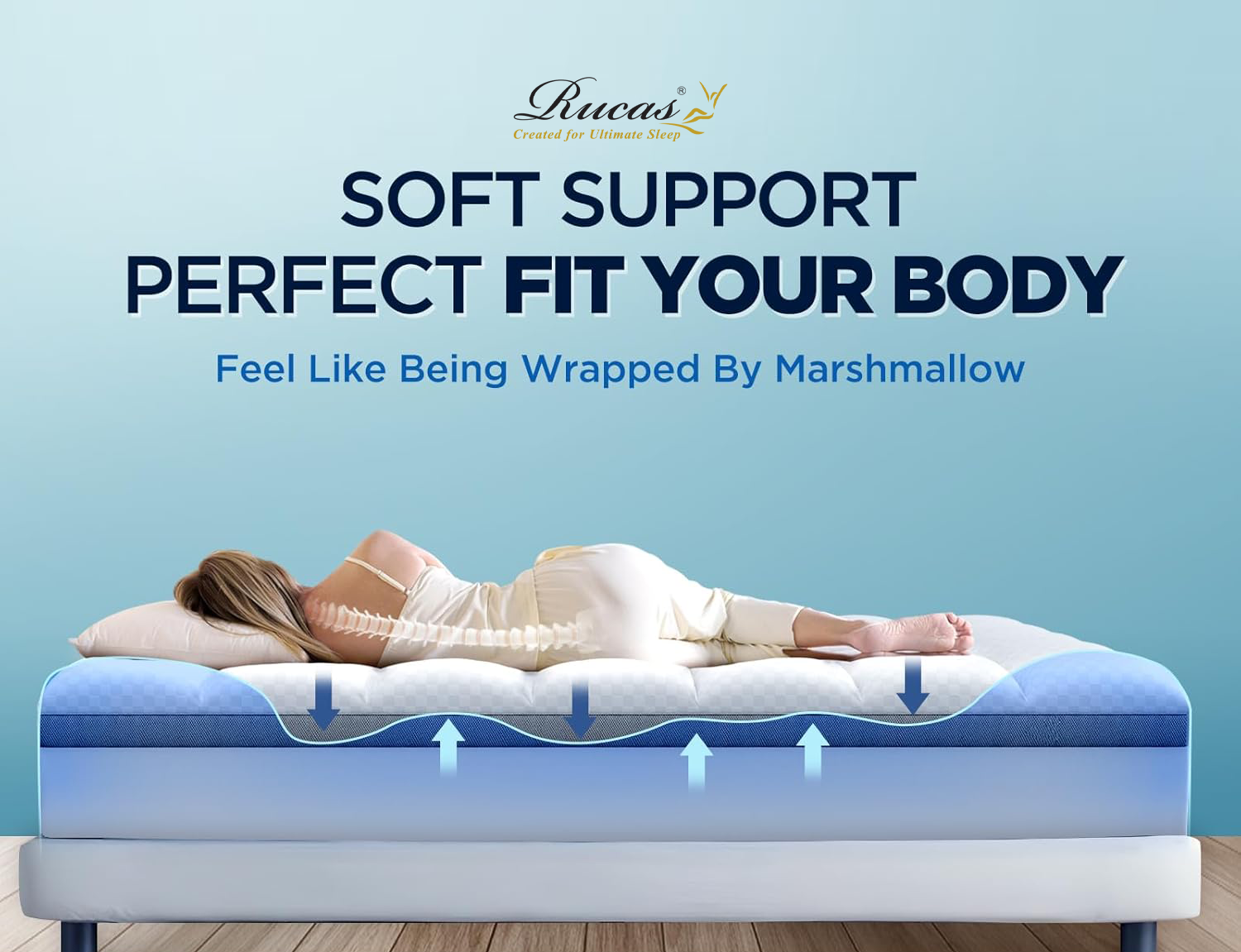
Contraindications: Long-term use by individuals >90 kg may lead to structural sagging. Not recommended for those with lumbar conditions or developing adolescents due to risks of spinal deformity or chronic strain.
The scientific selection of mattress firmness fundamentally involves balancing spinal biomechanical support with uniform body pressure distribution. The established 1–10 firmness classification system clarifies the differential impacts of each level on spinal alignment, pressure redistribution, and ease of movement.

